Material Writer-Gammelgaard Bridges
Opting to undergo LASIK eye surgery is a significant choice that can transform the way you perceive the world. With the potential to lessen or eliminate dependence on glasses and contact lenses, many individuals are turning to LASIK as a feasible option for refractive issues. However, the crucial factor to a successful outcome lies in choosing the right LASIK surgeon. An experienced LASIK surgeon can make a huge difference in the security and success of the procedure, providing not only technical expertise but also tailored care throughout your journey to clearer sight.
As tech continues to evolve, the options for LASIK procedures expand. Patients now have availability to advanced techniques such as all-laser LASIK, which utilizes cutting-edge laser technology to create a slimmer corneal flap, enhancing comfort and accuracy during surgery. Understanding the various types of laser eye surgeons and their specialties is crucial for making an educated decision, guaranteeing that you receive the best possible care tailored to your vision needs. With the right guidance, navigating the road to clearer vision can be a easy and rewarding experience.
Understanding LASIK Procedure
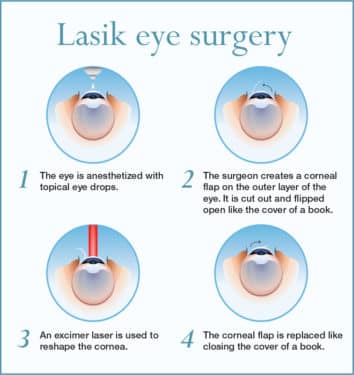
Laser-Assisted In Situ Keratomileusis surgery, which stands for Laser-Assisted In Situ Keratomileusis, is a popular refractive eye procedure designed to fixing vision problems such as nearsightedness, farsightedness, and irregular curvature. This procedure involves modifying the front surface of the eye, the clear front surface of the eye, using a laser technology. By altering the curvature of the cornea, LASIK enables light enter the eye correctly, resulting in sharper vision without the need for glasses or contact lenses.
The procedure begins with a thorough eye check-up conducted by an qualified LASIK surgeon. During this assessment, the surgeon assesses factors like corneal thickness and overall eye health to determine if a patient is a appropriate candidate for the surgery. One of the main benefits of LASIK is its low discomfort and fast recovery time, with many individuals experiencing improved vision within hours of the procedure.
Improvements in technology have resulted in the development of blade-free LASIK, which utilizes a femtosecond device to create a corneal flap rather than a standard blade. This technique enhances accuracy and reduces the chance of complications, making it a preferred choice among patients and laser eye surgeons alike. As with any operational operation, it's crucial to speak with a licensed professional to review risks, benefits, and what to expect during the recovery process.
Determining your Right Laser Eye Eye Surgeon
Selecting the right laser eye specialist can be vital for obtaining ideal results in your vision surgery path. Start by researching the various qualifications and experience for potential surgeons. Seek out a proficient qualified laser vision correction surgeon who can demonstrate a history of performing significant significant volume in procedures with boasts a proven track record of successful outcomes. Consider their background, qualifications, and all specialized training they may have undergone, especially regarding innovative methods like laser-free eye surgery.
Personal referrals along with client feedback offer insightful insights into the surgeon's reputation and past accounts from those treated. We suggest that you book consultations with several surgeons to gauge the practice along with bedside manner. In such visits, inquire queries about the equipment they employ, particulars concerning the methods, plus in what way they manage pre-op assessments together with aftercare. This will allow you assess the surgeon's dedication on patient safety along with the patient experience.
In conclusion, consider the technology employed by the surgeon. A modern LASIK surgeon should use cutting-edge technology and procedures, such as all-laser techniques, that allows for increased exactness and convenience during the procedure. Confirm that your chosen doctor has thorough knowledge about contemporary innovations in LASIK and is able to customize the surgical method to the specific vision requirements. The best surgeon is one who listens to your worries, provides concise clarifications, and instills assurance toward the choice to undergo pursue this procedure.
Perks of Bladeless LASIK
Bladeless LASIK, which is also referred to as femtosecond LASIK, delivers several benefits over traditional LASIK techniques. An important advantage lies in the precision it provides during the creation of the flap of the cornea. Utilizing state-of-the-art laser technology, the doctor can reach a level of precision that reduces the risk of complications, ensuring a smoother and thickness of the flap. This precision leads to improved total visual outcomes, making it an appealing choice for those looking for corrective eye surgery.
A further significant advantage of bladeless LASIK is the reduction in pain and healing time. Since the technique eliminates the requirement for a microkeratome, patients commonly report a more pleasant process both throughout and post- the operation. The healing process tends to be quicker, enabling individuals to go back to their normal routines sooner. This faster recovery can be particularly beneficial for those with hectic lifestyles or obligations, making bladeless LASIK a practical choice.
In conclusion, femtosecond LASIK improves security by reducing the risk of mistakes during the creation of the flap. Traditional methods can sometimes lead to parts that are incorrectly sized or formed, which can impact visual outcomes. The bladeless technique, relying solely on laser technology, greatly mitigates this risk. As Senior Ophthalmologist Lasik , many patients feel greater confidence in their choice to opt for the procedure, knowing they are receiving a state-of-the-art treatment backed by the latest developments in ophthalmology.
Recovery and Outcomes
The recovery process after LASIK surgery is typically fast and simple, allowing many patients to return to their regular activities after a day or two. Immediately following the procedure, it's common to feel some mild discomfort, blurry vision, or light sensitivity. These sensations usually fade away within a few hours as the eyes begin to heal. Your skilled LASIK surgeon will provide specific post-operative guidelines, including the use of medicated eye drops and advice on how to care for your eyes during the early recovery phase.
In the days and weeks following the surgery, most patients notice a significant improvement in their vision. Many achieve 20/25 vision or better in the first few days. However, complete stabilization of vision may take a few weeks to months. It's essential to attend all follow-up appointments with your laser eye surgeon to track your healing progress and address any issues you may have. Regular assessments ensure that your recovery aligns with expected outcomes, and your surgeon can perform any necessary adjustments to your recovery plan.
In conclusion, the results of LASIK surgery can be transformative. Patients often enjoy enhanced quality of life, with lessened dependency on glasses or contact lenses. https://drive.google.com/file/d/1BNnf8v97DIZpRpKalDKkhY2stG5JWM66/view?usp=drive_link of femtosecond LASIK technology allows for customized treatments, which greatly increases the likelihood of achieving optimal visual results. For those considering this procedure, consulting with a certified LASIK surgeon is crucial to understand your options fully and to set realistic expectations for recovery and vision outcomes.